



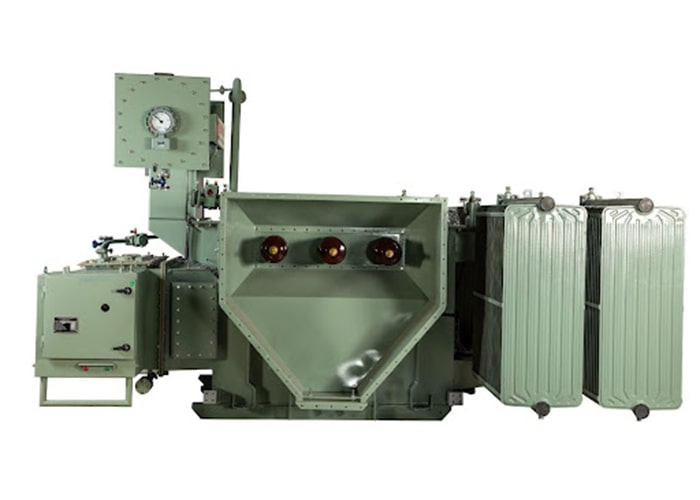
An electrical system's power transformer plays the role of a quiet, powerful heart. It works day and night, often forgotten, but it is one of the most critical and expensive pieces of equipment. To keep it healthy and performing well for decades, regular and careful maintenance is non-negotiable. Here are some key tips.
The simplest step is often the most effective. Objects like dust, dirt, leaves, and bird droppings may collect on the cooling fins (radiators) and bearings of the generator. This dirt acts like a blanket, trapping heat and making the transformer run hotter than it should. Overheating is a major cause of insulation failure. Schedule regular visual inspections. Gently clean the radiators and bushings to ensure proper airflow and heat dissipation. Also, make sure the area around the transformer is clear of weeds, trash, or any stored materials that could be a fire hazard.
The oil inside a transformer does two main jobs: it cools the transformer and it provides electrical insulation. The type of oil it is has a direct effect on how well the transformer works. Take regular oil samples and send them to a lab for testing. This acts like a blood test for the transformer. The tests will check for acidity, the amount of water, and the electrical strength. If the tests show problems, the oil can be filtered (to remove water and particles) or even replaced to restore the transformer’s performance.
For every 10°C rise in working temperature above its limit, a transformer's life is cut in half. Watching the temperature is crucial. Keep an eye on the temperature gauges. Keep an eye on how hot the top oil and winding are. Look into any sudden or strange rises in temperature right away. It could mean that the system is overloaded, that the cooling system isn't working right, or that there are problems inside.
There are times when human senses are more effective than any monitoring device. Use hands and ears (carefully, without touching or approaching any live part) during inspections. A transformer's hum is often continuous and even. Hear any new, unusual sounds such as an increased hum, buzzing or cracking sounds. These may show loose components, electrical leakages or other internal issues. And provided it is not unsafe to do so, feel any unusual vibrations. Note also the strange smell, such as a burning smell, which is a definite warning as well.
Most transformers have a breather, which is a small cup filled with silica gel beads. This device stops moist air from getting into the tank and contaminating the oil. Check the breather regularly. If the silica gel is mostly pink, it’s saturated with moisture and can no longer protect the transformer. To keep the oil dry, replenish the silica gel right away.
A transformer has protective systems like alarms and trips that activate if something goes wrong. These systems are useless if they don’t work. Regularly test these devices according to the manufacturer’s schedule. This ensures that if a real problem occurs, the alarms will alert you, or the system will shut down to prevent a major failure.
You cannot manage what you do not measure. Keeping a logbook for each transformer is a powerful performance improvement tool. Record everything. Log all inspection results, oil test reports, temperature readings, and any maintenance done. Over time, this history will show you trends. You might see a slow increase in temperature or a gradual rise in moisture content, allowing you to fix small problems before they become big, expensive disasters.
Transformer maintenance isn’t about fixing things when they break; it’s about preventing them from breaking in the first place. A consistent and thorough maintenance routine, focused on keeping the transformer clean, cool, and dry, will greatly improve its performance, extend its life by many years, and prevent costly unplanned outages. Remember, a small investment in regular care protects a very large investment in equipment.
Related Link: OIL-FILLED VS. DRY-TYPE DISTRIBUTION TRANSFORMERS: WHICH IS BETTER?
 Chat with Us