



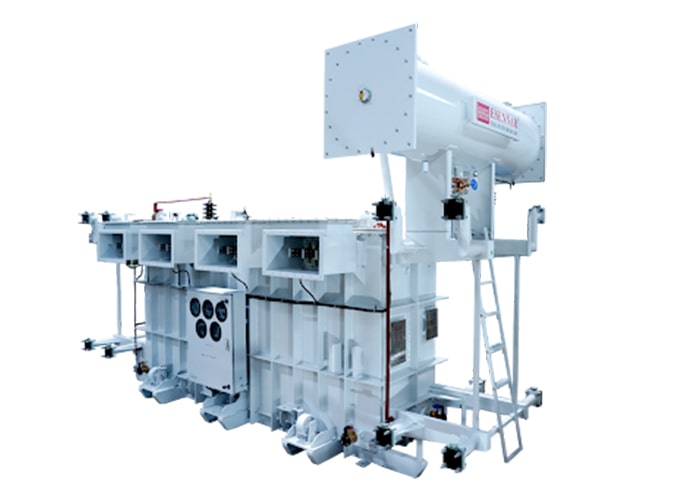
The world is moving towards sustainable energy, and solar energy is on the forefront of this. Due to the development of solar technology, all the components of the system should also improve. The solar inverter transformer, which is the key to connecting the solar panels and the electrical grid, is not an exception. Its destiny does not lie in death, but in being smarter, more efficient and more integrated than ever before.
Here’s how solar inverter transformers will shape and adapt to the future of sustainable energy.
Innovators of the future will do away with metal boxes as transformers. They will turn into smart centres full of sensors. Would it not be nice to have transformers continually checking their health--temperature, vibration, oil quality (assuming it is used), electrical load, etc. in real-time?
This allows for predictive maintenance. Instead of waiting for a transformer to break down, operators will get an alert that a part is wearing out and needs service. This prevents costly failures and keeps the solar farm running smoothly, maximising energy production and reducing downtime.
The electricity flow becomes less predictable as more and more solar and wind power is fed into the grid. Future grids will have to be more stable and flexible. Solar inverter transformers will be important in grid stabilisation. The advanced designs will facilitate the control of voltage variations, electrical harmonics (distortions) and offer reactive power assistance. This is similar to the transformer not only providing power, but also actively contributing in maintaining the voltage of the grid as steady and clean.
This will make the whole energy grid more stable and robust enough to cope with the natural changes and swings in the renewable energy sources and not cut off or go dead.
Sustainability is not just about making clean energy; it's about the whole life cycle. This will be reflected in the materials that are used in transformers. A greater displacement of traditional mineral oil will occur. There will also be increased applications of biodegradable ester fluids (based on natural vegetable oils) and dry-type transformers with high-technology recyclable insulation. These don't catch fire as easily and are much better for the environment when they leak.
Sustainable materials help minimise the environmental impact of the transformer itself. This will make the whole solar project more environmentally friendly as the end of its long life will be easier to recycle and dispose safely.
Sustainable energy is aimed at wasting as little power as possible. The trend of future transformer design will be to drive efficiency to the extreme. There will be improved core materials (such as amorphous metal) that lose much less energy in the form of heat compared to normal steel. The better designs and manufacturing will make it possible to carry more power in a smaller, compact unit. The increased efficiency will ensure that more of the sun-energy gets to your house rather than is wasted as heat in the transformer. Smaller designs imply the usage of a smaller amount of material and can be introduced into a greater number of locations, including the rooftops of big business premises.
Solar power will move forward by saving energy for times when the sun isn't shining down. Batteries are becoming a standard part of solar projects. Transformers will be designed to work seamlessly with large battery storage systems. They will manage the bidirectional flow of energy—stepping up voltage to send solar power to the grid and stepping down voltage to pull power from the grid to charge the batteries when needed.
This is essential towards the development of 24/7 renewable energy. The transformer is the boss that will ensure smooth flow of energy between the solar panels, batteries, and the grid to ensure power reliability during the day and night.
The solar inverter transformer will not be obsolete. Rather, it will become more than an inert part of the grid, and it will be a smart, sustainable and dynamic custodian of the grid. It is a key part of building a stable, efficient, and truly modern energy system that runs on the sun. By getting smarter, using greener materials, and working hand-in-hand with storage, the humble transformer will ensure that the solar power of the future is not just clean, but also stable, efficient, and ready to power our world around the clock.
Related Link: ADVANTAGES OF USING SOLAR INVERTER TRANSFORMERS IN SOLAR POWER PROJECTS
 Chat with Us