



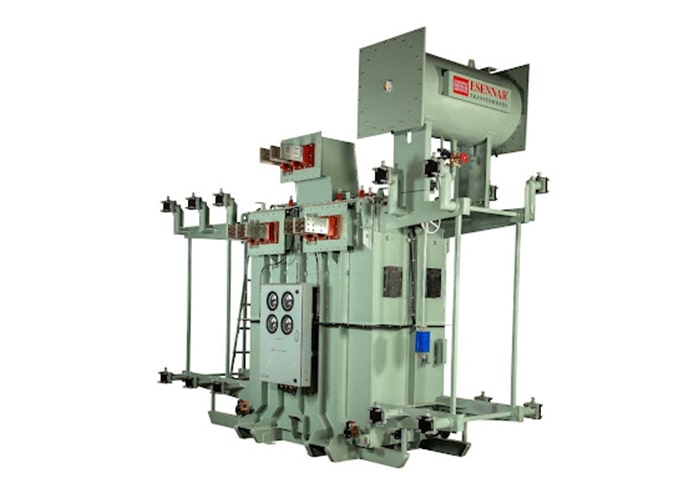
A significant aspect of our future clean energy is solar power projects. Although solar panels receive the majority of the focus, it is the technology that enables the power generated by them to be utilised that is equally important. The solar panel system is a critical part of this entire configuration. Imagine it as the safe conduit that transfers the unrefined electricity of the panels and securely links it to the rest of the electrical network.
Here are some of the reasons why you should use these specific transformers.
This is the primary operation a solar inverter transformer is designed for. It provides galvanic isolation. It is a technical expression of a very simple yet important concept: it physically isolates the electric circuit of the solar panels and the circuit of the main power grid. In the absence of such isolation, any fault--such as short-circuit, lightning strike, etc.--on the grid side can propagate directly back to the costly solar inverters and panels, resulting in serious damage. Likewise, any defect in the solar array may pose a threat to the grid. The transformer serves as a shield, so DC faults cannot pass through it and the issues are kept in it and the whole system is much safer in terms of equipment and people.
Solar panels and inverters generate power at a relatively low voltage (like 600V or 1000V). But in order to transmit electricity over long distances using the grid, without major losses, electricity must be at a very high voltage (such as thousands of volts).
The main work of the solar inverter transformer is to step up this voltage. It draws the reduced voltage of the inverter and increases it to the exact amount needed by the local distribution grid. They scale up the voltage causing a significant decrease in power loss in transit. This translates to an increased proportion of the highly valued solar energy you produce reaching homes and businesses, which makes the entire undertaking more effective and lucrative.
The power output of the solar inverters must be ideally in phase with the power output of the grid both in voltage and frequency. Inverter-generated power is peculiar and solar inverter transformers are developed with this particularity. There is sometimes a slight electrical distortion or harmonic produced by inverters. A solar inverter transformer design and materials are used to philtre out these distortions in order to provide a smooth sine wave of electricity which precisely matches the grid. It is this quality of power that keeps the grid stable and damages any delicate equipment attached to it.
Not any transformers are identical. The solar inverter transformers are designed to meet the requirements of a solar farm. Solar transformers do not receive the constant power that is received by the standard transformers.
Inverters may add a small amount of DC power to the system every once in a while. This DC current would overheat standard transformers and make them hum loudly. Special characteristics, such as a higher temperature insulation system, are built in to solar inverter transformers, to withstand this stress load without overheating or failure.
Transformers also give the electrical system a fixed point that is important in safety and performance. They will be able to establish a neutral point within the system that is stable and contributes to identifying and controlling ground faults. This once again provides a level of safety that is critical and can be used to isolate issues that might arise within a very short time.
Although a transformer-less inverter system can be provided, such systems do not offer the safety of a transformer, the increase in voltage provided by the transformer, nor the grid-stabilising benefits offered by a dedicated transformer. In short, the solar inverter transformer does not happen to be any other box in the circuit. It is an essential connection which brings security and effectiveness. A project can be more reliable, safer, and more efficient in the long term by investing in a high-quality solar inverter transformer, which safeguards the investment and ensures the clean energy provided by the sun is sent safely and efficiently to where it is required most.
Related Link: FUTURE OF SOLAR INVERTER TRANSFORMERS IN SUSTAINABLE ENERGY
 Chat with Us