



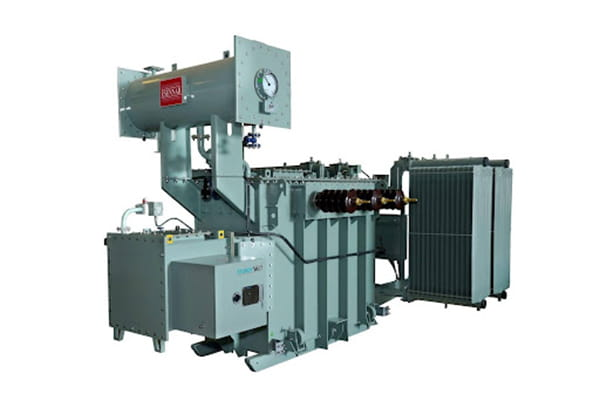
In any power distribution system, distribution transformers are central to the entire setup. This device makes sure that users continue to get safe and stable electricity day after day. Quite naturally, it requires regular maintenance to ensure it operates reliably for years to come.
If this is ignored, the device will experience overheating, leaks, and voltage fluctuations among other issues. All of these events can lead to costly repairs and operational downtime. A well-designed preventive maintenance program helps to identify problems before they become severe, improves the energy efficiency, reduces the maintenance costs, and improves the overall reliability of the electrical distribution system.
Distribution transformers are built to run reliably for decades. Still, their performance can be gradually degraded due to overloading, moisture, environmental contamination and aging.
Regular maintenance helps you in:
By taking a proactive approach to maintenance, you reduce risk and increase return on investment.
Simple routine visual inspections are highly effective maintenance practices. These are useful in the early stages of damage, before it becomes a big problem.
When doing inspections look for:
Finding problems early lets maintenance teams fix them before they affect how well the equipment works.
The insulating oil has two important roles for oil filled distribution transformers, electrical insulation and cooling. Over time, the oil can be contaminated with moisture, oxidation products or dissolved gases that can reduce the effectiveness of the oil.
Oil testing should be done on a regular basis and should include:
Clean and high-quality transformer oil prevents insulation breakdown and increases cooling efficiency.
High heat from operation of a transformer above its rated capacity causes insulation aging to accelerate and the life of the equipment to shorten.
To prevent overloads:
Properly managed loads will greatly increase the reliability of the transformer and reduce thermal stress.
Heat is a major cause of transformer failure. Good cooling is essential to keep the operating temperature safe.
Maintenance activities should consist of:
Efficient cooling systems improve the efficiency and delay the deterioration of the insulation.
Bushings are used for electrical connection of the windings of a transformer to the circuits outside the transformer while providing insulation. Flashovers and equipment failure can be caused by damaged or contaminated bushings.
Routine maintenance should include:
Proper condition of the bushings guarantees electrical safety and reliability of the system.
Bad electrical connections increase the resistance at that point and can cause localized heating and damage to equipment.
Regular maintenance personnel should:
Safe electrical connections minimize energy losses and overheating.
The insulation of the transformer gets naturally aged with time due to thermal, electrical and environmental stress. Insulation conditions can be monitored to detect deterioration before failure.
Common insulation tests are:
These diagnostic tests provide valuable information about transformer health and enable the scheduling of maintenance before major failures occur.
Moisture is one of the most destructive contaminants to transformer insulation. Performance can also be affected by dust, salt, chemicals and industrial pollutants.
The protective measures are:
Most modern distribution transformers have temperature sensors and monitoring devices that provide real-time operating data.
Temperature monitoring helps operators:
Continuous thermal monitoring enables predictive maintenance and increases operational reliability.
Preventive maintenance is cheaper than emergency repairs. Planned maintenance schedule means all critical inspections and tests are performed at the right intervals.
A typical preventive maintenance program usually includes:
Detailed service records help to identify performance trends and plan future maintenance activities.
A good grounding provides protection for transformers against lightning strikes, switching surges and electrical faults. Poor grounding can damage equipment and pose a hazard to personnel.
The following is a list of routine maintenance to be performed on the grounding:
The system's safety and its operating stability increase with proper grounding.
Even the most technologically advanced transformer still needs qualified technicians for its proper maintenance. Regular training ensures maintenance teams are familiar with modern testing techniques, safety procedures and diagnostic technologies.
A properly trained staff can:
Workforce training is a direct contributor to long-term transformer performance.
Proactive maintenance programs allow utilities and facility managers to minimize downtime, reduce operating costs, increase equipment life and provide a safe and reliable power source. With the growth of electrical networks and the rising energy demand, proper maintenance of distribution transformers is still one of the cornerstones of reliable and sustainable power distribution.
Related Link: IMPORTANCE OF ENERGY-EFFICIENT SOLAR INVERTER DUTY TRANSFORMERS
 Chat with Us