



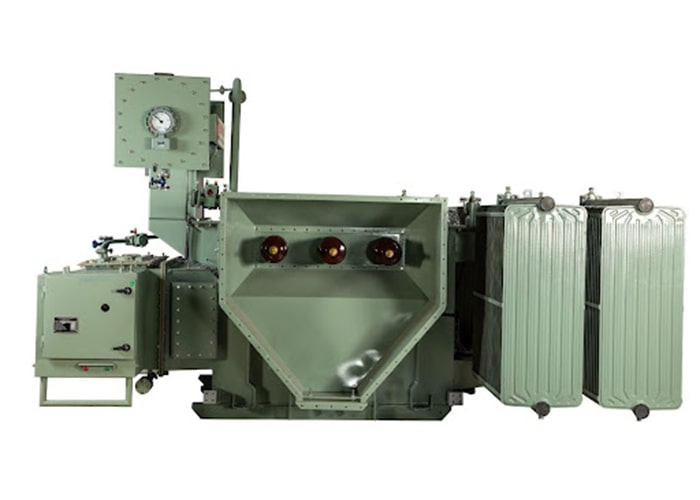
Power transformers are the quiet heroes of the electrical grid which are vital in increasing and decreasing the voltages in efficient transmission and distribution respectively. However, failure on their part can have disastrous consequences such as long durations of power cuts, massive losses, and fatalities. The most important aspect of grid reliability and prolonging the life of the transformers is to comprehend the possible ways of failure and introduce proactive maintenance tools.
Transformer failures can be broadly categorised into electrical, mechanical, and thermal issues, though these are often interconnected.
Insulation Degradation and Breakdown: This most frequently leads to transformer failure. Paper and mineral oil insulation is degraded by heat, moisture and oxygen. Dielectric strength decreases as the insulation becomes weaker making them susceptible to short circuiting between windings or to the ground. Small electrical sparks in insulation known as partial discharges (PD) cause and symptomatise insulation deterioration.
Winding Deformation and Failure: Mechanical stresses from external short-circuit faults can cause windings to loosen, distort, or displace. This deformation changes the electrical characteristics of the transformer and can lead to immediate failure or a reduced ability to withstand future faults. Over time, these imperfections create weak points that may fail under normal operating conditions.
Tap Changer Malfunctions: The OLTC are particularly susceptible to failure. Mechanical wear of contacts, poor connection, resulting in overheating of contact, carbon deposits due to arcing, and insulating oil wear of the tap changer are some of the problems. The tap changer being the only moving part which has been under load needs special care.
Core and Tank Issues: The degradation of the laminations of the core can result in hotspots or grounding faults. Issues with the tank itself like gasket or welds leaks permit the water and air to get in and promote the deterioration of the inner insulation and oil.
Oil Degradation and Contamination: Transformer oil serves as both an insulator and a coolant. Contamination by moisture, solid particles, or gases severely compromises its performance. Moisture is a primary enemy, reducing dielectric strength and accelerating the ageing of solid insulation.
A shift from reactive to predictive and preventive maintenance is key to avoiding catastrophic failures.
Oil Analysis: Regular sampling and laboratory analysis of the insulating oil is the most fundamental predictive tool. It provides a wealth of information.
Dissolved Gas Analysis (DGA): Sources of the hydrogen, methane and acetylene possess different faults. DGA will be able to get acquainted with problems at an initial stage. Determine the dryness of insulation by measuring moisture. The presence of high acid level is also a sign of oil oxidation which sludges and damages insulation. Oil insulation is measured using dielectric strength.
Electrical Testing: Turns Ratio Test verifies shorted turns and correct wind ratio. Power Factor is used to measure insulating power loss. There is an increased power factor, and it means that there is degradation of insulation. Winding Resistance Test identifies weak winding and tap changer contacts connections.
Partial Discharge (PD) Monitoring: Periodic PD monitoring can detect the early stages of insulation breakdown, allowing for planned intervention before a major fault occurs.
Thermal Imaging and Monitoring: Infrared thermography is excellent for identifying hotspots on bushings, connections, and cooling equipment. For critical assets, online temperature monitors provide real-time data on winding and oil temperatures.
Mechanical Condition Assessment: Frequency Response Analysis (FRA) is a powerful technique that can detect subtle winding and core deformations by comparing the transformer's electrical "fingerprint" to a baseline measurement.
Bushing and Tap Changer Maintenance: These components require special maintenance. These will involve on tap changer compartments, megger testing of the bushings and routine inspection and services of the tap changer mechanism as scheduled by the manufacturer.
Finally, although the power transformers are durable assets, they cannot fail. It is necessary to have a complex maintenance programme that incorporates regular oil quality inspection, electrical inspection, and complex diagnostic measures, such as DGA and FRA. This proactive strategy will allow utilities and industries to take unplanned outages to planned cost efficient interventions to maximise transformer life, improve safety and stability of power supply.
Related Link: FUTURE OF DISTRIBUTION TRANSFORMERS IN SMART CITIES
 Chat with Us