



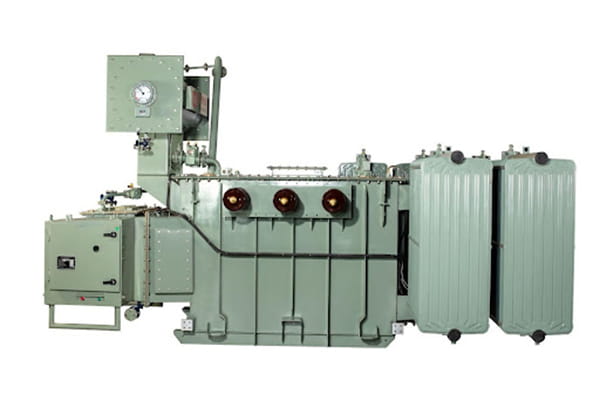
One of the important components in an industrial electrical system is power transformers. They control the voltage, allow efficient transmission of power and shield the costly machinery against electrical shocks. Power transformers in industrial settings where reliability, safety and efficiency are of principal concern directly affect the performance of operations, continuity of production and final costs. Good power transformers provide stable power supply, minimise losses and promote long-term industrial development.
The industries rely on constant and uninterrupted power sources to run the machines, automation, and control devices. Power transformers of high quality are supposed to be able to withstand heavy load, changes of voltage and other difficult conditions of the working conditions without failure.
Dependable transformers reduce instances of unforeseen outages and decline of voltage, which may interfere with the production operation. Even brief power interruptions can lead to a substantial loss of financial profit and safety issues in the companies that are engaged in the production industry, steel plants, chemical processing, and data centres. Transformers are of high quality and assist in keeping the level of voltage constant thus without interruptions and operations run smoothly.
One of the greatest concerns in industrial operations is energy efficiency because of high power consumption. Good quality power transformers are manufactured using the best core material, which could be low-loss silicon steel, or amorphous metal cores which greatly minimise the core losses.
Decreased losses will mean less energy waste, better efficiency of the system and less electricity bills. In the long run, high quality transformers will paid off with their high initial cost being compensated by the energy saving it will provide. Efficient transformers also produce less heat thus cooling is less and this will lengthen the life of equipment.
Industrial machinery is very susceptible to changes in voltage, harmonics, and electric disturbances. Low quality transformers can be a source of voltage instability where overheating, insulation damage and early equipment failures may occur.
Power transformers have high quality that ensures better voltage regulation as well as electrical isolation. They are used to guard motors, delicate electronic devices against transient voltages, short circuits, and surges. This protection saves on the cost of maintenance, costs that are incurred due to expensive breakdowns, and improves the reliability of the entire system.
Safety is a top priority in industrial facilities. High-quality power transformers are manufactured in compliance with international safety standards and are equipped with protective features such as temperature sensors, pressure relief devices, and proper insulation systems.
These characteristics minimise the chances of fire, electricity drills, and transformer fires. Transformers that have been properly designed also reduce the leakage of oil and degradation of the insulation so that the working conditions of the personnel are much safer. High quality transformers make the industrial environment safer because they minimise the risk of electrical accidents.
As time progresses, industrial processes tend to grow in size, accompanied by an increase in the level of production and power consumption. Power transformers of high quality are built with enough reserves to accommodate the load changes and future growth.
They have improved overload capacity and thermal performance and this enables industries to add more machinery or modernise the processes without the need to replace the transformer frequently. This scalability allows reliability over the long term as well as minimising the cost of capital due to the frequent upgrades of equipment.
Poor quality of transformers is associated with constant repairs, and this is because of overheating and damage of insulation, mechanical breakdown. On the contrary, quality transformers are constructed using strong materials and superior production methods that make them last long.
Minimised maintenance needs will lead to reduced operating expenses and also cut down on downtime. The predictive performance also enables the industries to have a proper maintenance schedule to enhance the overall productivity and efficiency in operations.
Industries are required to meet electrical specifications, environmental and utility provisions. Power transformers of high quality are also designed and tested in line with national and international standards including IEC, IEEE and IS.
Compliance guarantees improvements in performance, safety, and environmental concerns. The sustainable industrial practises are achieved through environment-friendly designs of transformers that decrease the levels of noise and that of oil contamination.
Power transformers must be of good quality to ensure efficient, safe and reliable industrial operations. They guarantee unbroken supply of power, enhance efficiency in energy, secure important equipment, and help in the further growth. High-quality power transformers are an important resource to the industry since they provide better chances of succeeding in the long-term due to lower losses, decreased maintenance, better safety, and increased productivity.
Related Link: FUTURE TRENDS IN DISTRIBUTION TRANSFORMERS MANUFACTURING
 Chat with Us