



The purchase of a transformer is not an exercise merely in rating, price or delivery. Many customers look at the visible specs and ignore the hidden issues that can result in system overheating, failure, additional costs, or system performance issues. While some of the details may be obvious, a transformer may seem ideal on paper, but if there are any missing details before ordering, there can be repercussions that extend for years to a whole electrical system.
In many industries, transformer issues begin when the transformer is bought. A checklist that is not the right one can lead a buyer to overlook all the technical, environmental and operational factors which directly influence reliability and efficiency.
This article discusses the unspoken dangers that many buyers don't think of before ordering a transformer, and why a more intelligent checklist can avoid costly pitfalls.
A very common error is thinking that the only criterion for choosing a transformer is its kVA rating . When a customer chooses a transformer, they tend to compare two units with the same capacity and think they will both work equally well. But operating conditions also count.
However, if the transformer is rated for the proper kVA yet doesn't perform well, the following could be a reason:
A transformer may be only the right size for the current load and be found to be too small much sooner than anticipated.
Modern electric schemes will include:
The effects of these devices cause harmonics which raise the heating of the transformer.
Harmonic distortion is not a parameter that many buyers consider when they look to purchase a transformer, since it seems normal when the transformer is first tested. As harmonics build up over time they can:
Among the unknown reasons for early transformer failure is ignoring harmonics.
Low pricing can be a red flag when purchasing. Cost is important, but buying a transformer because it's less expensive may cost you more in the long run.
Lower cost transformers may sacrifice on:
The cost of a transformer over its life should be considered.
The reliability of a transformer is largely dependent on cooling. Sometimes the buyer expects a normal cooling system to be used in all installations. There are many conditions for operating, however.
Transformers installed in:
May require additional cooling or special protection.
If cooling is not adequate, the temperature of the transformer increases continuously. The longer the insulation is exposed to excessive heat, the faster it can age and its service life can be significantly reduced.
Generally, buyers need to take the time to read the following before placing an order:
Installation conditions have a greater impact on a transformer than many would expect.
An indoor designed transformer may not work in the outside environment. Also, if a unit is installed close to moisture, salt air, chemicals or dust, rapid deterioration could occur if it is not properly protected.
Environmental risks include:
Not taking into account the environment can cause unnecessary maintenance issues down the road.
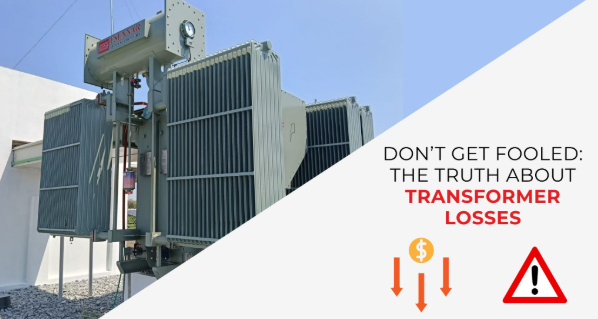
Transformer losses are not considered by some buyers, only the purchase price.
Every transformer has:
These losses go on during the entire life of the transformer and have a direct impact on electricity costs. There is a slight improvement in efficiency in the transformer, but it is more expensive up front and will save a lot of energy over time.
Transformers with low efficiency may result in the following:
Efficiency is always a part of a purchasing checklist for long-term projects.
One hidden peril is a lack of clear testing requirements. Many purchasers are under the impression that all transformers are tested in the same manner. In fact, different manufacturers may have different standards for their tests.
Some tests that may be important include:
Electrical systems don't usually remain unchanged indefinitely. There is growth in energy demand over time, as factories expand, as buildings install equipment, etc. Choosing the transformer on the basis of current load only may overload it after a couple of years.
Common consequences include:
During the procurement process, estimating future load growth can save money for future upgrades.
Some buyers will opt to do this to save money, even though modern transformers may have monitoring and protection mechanisms. This can be risky.
Some of the key protection devices can include:
These systems can alert potential problems in advance of major damage.
Even though a transformer may be technically capable of meeting all the necessary criteria, it can cause maintenance problems if access is difficult.
Sometimes buyers will forget to assess:
Product quality and after-sales services are heavily dependent on the manufacturer of the transformer.
Some buyers pay attention only to the specifications and overlook:
A good design transformer still requires reliable technical support during its life. Looking at past projects, certifications and customer feedback can minimize procurement risks.
The purchase of a transformer is not just an ordering process; it is an engineering choice that needs to be made. Buyers often have expensive issues because they don't perform the right checklist and they don't even see the hidden risks that are not listed in quotations or datasheets.
The best way to do this is to consider transformers beyond their price and specifications. A smart buyer knows that the price of a transformer isn't just the price paid when a transformer is purchased — it is the price that a transformer will cost throughout its lifetime.
Related Link: DON'T GET FOOLED: THE TRUTH ABOUT TRANSFORMER LOSSES
 Chat with Us