



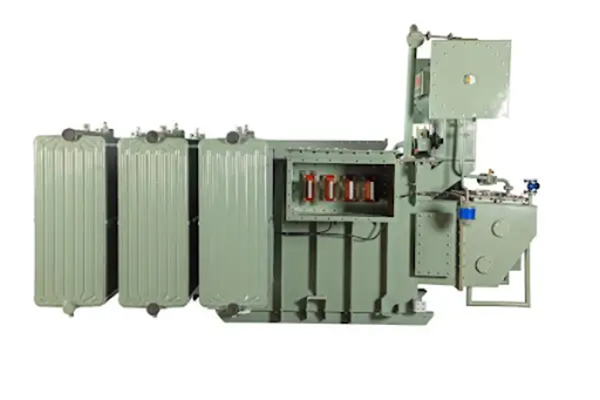
The contemporary electrical grid is an engineering wonder that is able to transmit electricity produced in generation plants to homes and companies hundreds of miles away. The transformer is a seemingly simple yet absolutely indispensable device in the centre of this system. Particularly, power transformers (also referred to as step-up transformers and distribution transformers (step-down transformers) have different, but complementary functions, which allow delivering power efficiently, safely, and useful.
Transformers work on the basis of electromagnetic induction. With two coils (primary and secondary) around a magnetic core they can add (step-up) or remove (step-down) voltages of alternating current (AC) whilst reversing the current. This is the key to the whole AC transmission system since it is possible to optimise the voltage at various points through the power route.
The power transformers are the workhorses of a high voltage transmission network. They are only needed to conduct effective long-distance power transmission.
| Stepping Up to Efficiency: | In the generating station, the electrical output is generated at a middle voltage (usually 1133 kV). This voltage is instantly increased by power transformers to very high values--usually 132 kV, 230 V, 400 V or more. This reduces power losses caused by resistance and enables power to be conducted over long distances with amazing efficiency. Thinner conductors that are cheaper are used in high-voltage transmission. |
| Interconnection and Grid Stability: | Large power transformers that are found at transmission substations also interconnect various components of the high-voltage grid, which allows them to have flexibility and redundancy. They assist in transferring bulk power between regions and keep the system stable and in check within the network. |
When the high-voltage transmission lines are continued to the outskirts of towns and cities it is replaced by distribution transformers. They are tasked with ensuring that electricity is safe and accessible to final consumers.
| Stepping Down for Safety: | The voltage is stepped down in primary distribution substations to primary distribution levels. This medium voltage network follows the streets and neighbourhoods. Lastly the pole-mounted distribution transformers carry out the last essential step-down, to the ultimate utilisation voltage: |
| Direct Local Supply: | Each distribution transformer normally provides a small group of consumers unlike power transformers that redistribute bulk supply to the grid. They are made to be as efficient as possible when partial loaded because there is always a change in demand on the local level. This isolation also offers them safety, isolating the high-voltage grid and low-voltage premises wiring. |
To transmit power over long distances effectively, it begins at a medium voltage and it is increased to an extra-high voltage by a power transformer. It is then reduced to medium voltage to be distributed through primary distribution transformers and then to low voltage to be distributed through secondary distribution transformers. It is then finally distributed as safe and usable power to the appliances, lights, and industries.
Power transformers enable economical transmission of long distance by minimising losses due to high-voltage step-up transmission, whereas distribution transformers enable the practical utilisation of electric power and its safe operation by reducing it to consumer levels. They put up the silent, still, but wholly critical foundation of the whole power transmission and distribution system, on which modern civilisation depends.
Related Link: APPLICATIONS OF POWER & DISTRIBUTION TRANSFORMERS IN INDUSTRIES
 Chat with Us