



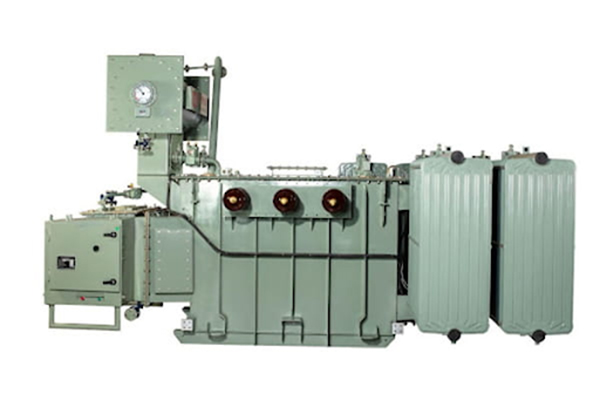
Modern industrial power systems depend heavily on transformers. They facilitate effective flow, secure distribution, and secure use of electrical energy within manufacturing facilities, processing facilities, infrastructural developments, and commercial buildings. The role of power and distribution transformers is very different but complementary to that of the other, and it is observed in the control of the voltage level, reduction of losses, and continuous operations in the industry.
Electricity is normally supplied in high transmission voltages (66 kV, 110 kV, 220-kV or more) to minimise loss due to long distance. The majority of industrial apparatus is however driven by far lower voltages (415 V, 690 V, 3.3 kV, 6.6 kV or 11 kV). The voltages are converted to manageable levels by power and distribution transformers, and are thus vital parts of industrial electrical infrastructure.
Power transformers are mostly utilised at substations and at grid interconnection. On the other hand, distribution transformers are implemented nearer to end-users in industrial buildings.
Transformers find application in thermal power plants, hydro power plants, nuclear power plants, and renewable power plants to:
In the absence of power transformers, the transmission of electricity over long distances on large scale would not be efficient and economically viable.
Transformers are used to support in heavy industries, including steel, cement, chemicals, petrochemicals, and textiles.
Power transformers are used to feed bulk power into the plant, and distribution transformers may step-down voltage to particular machines and departments at the plant.
Transformers play significant roles in upstream, midstream and downstream operations:
These high-risk industrial zones have specialised flameproof and explosion-proof transformers.
As solar and wind energy become widely used, transformers are applied to:
Digital monitoring, fault detection and predictive maintenance is also supported by modern smart transformers.
Big business and industrial complexes need transformer because they need:
Distribution transformers based on dry-type are popular in interior installations because of fire hazards and environmental considerations.
Transformers are employed in railway electrification systems in:
Traction transformers are of special design to be used in heavy and continuous operation.
Transformers are selected according to the needs of industries:
| Dry-Type Transformers: | Air or resin is used to cool. The best in the applications where fire safety is paramount and the application is inside. They occupy less space and require minimal maintenance; however, their performance typically declines at very high capacities. |
| Oil-Immersed Transformers: | Utilise oil for insulation and cooling purposes. More efficient, cost effective with large power ratings and are more durable. Used either outdoors or in special substations where space and fire hazard can be handled. |
| Cast-Resin Transformers: | This type of dry-type transformer has the windings in solid epoxy resin. Very waterproof, moisture-resistant and extremely adverse climates, and have become ideal in mining, salty seawater and industry with corrosion problems. |
Industrial operations cannot do without power and distribution transformers. They guarantee effective energy flow, secure voltage, and stability of power distribution in various fields including manufacturing and mining industries, renewable energy, and transportation. With the shift to the automation of industries, electrification and sustainability, the place of transformers will only grow more important in the future of industrial power infrastructure.
Related Link: ROLE OF POWER & DISTRIBUTION TRANSFORMERS IN POWER TRANSMISSION SYSTEMS
 Chat with Us