



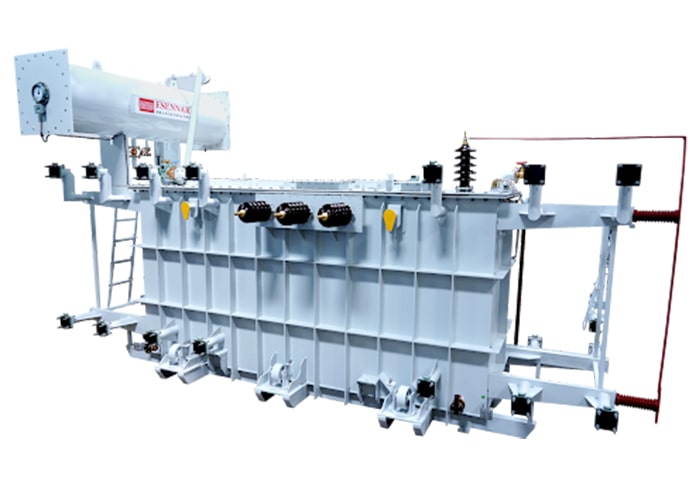
Solar power systems are increasingly becoming central to the efforts in generating clean energy as world demand of clean energy continues to increase. An essential but underrepresented component of the systems is the inverter duty transformer. These transformers act as a connection between the inverter and the grid or the load so as to maintain a safe and efficient transformation of voltage whilst tolerating the characteristic hardships of a solar power generation including EMI or harmonics.
The important task of choosing the proper inverter duty transformer will have to be performed in order to achieve the highest efficiency in the system, make it long-term and reliable, and safe. The following is a guideline to enable you make a sound decision:
Understand the Role of an Inverter Duty Transformer: As opposed to standard transformers, an inverter duty transformer is specifically designed to be used with power electronic components, e.g., with an inverter. They are programmed to tolerate high-frequency harmonics, voltage variance as well as heat stress which are prevalent in solar applications. Isolating the inverter and the grid, matching the output voltage of the inverter to that of the grid, harmonic and transient supppression, safety and equipment protection are the primary functions.
Evaluate the Power Rating: Power rating of the transformer ought to be equivalent or slightly larger compared to the collective output capacity of your solar PV inverters. Typical ratings of utility-scale solar plants are a handful of kVA to number of MVA, depending upon scale of the system. Be sure to consider peak power generation, losses on efficiency and future growth opportunities. Minor oversizing of the transformer would enhance performance and minimize overheating when the solar was producing the maximum output.
Prioritise Harmonic Handling Capabilities: Systems based on inverter circuits produce high frequency harmonics with the potential to cause overheating and shorter life span of standard transformers. Transformers must use low-loss magnetic cores, and suitable insulating materials, and electrostatic shielding in an inverter duty transformer, to reduce capacitive coupling. The transformer should be in accordance with the quality standards to perform at best.
Cooling Method: Transformers can be either air-cooled or oil-immersed - for outdoor and utility-scale projects, oil-immersed transformers are preferred due to their higher cooling efficiency and longevity. However, for rooftop or smaller installations, dry-type transformers may be suitable due to their lower maintenance and better fire safety features.
Assess Environmental Conditions: Solar installations are often located in harsh environments. Make sure your transformer is built to withstand high ambient temperatures, dust and humidity, and UV radiation. Look for IP-rated enclosures and consider additional protection like anti-corrosion coatings or sunshields where necessary.
Look for Customisation Options: Leading manufacturers offer custom-designed inverter duty transformers with features like multiple winding configurations, built-in surge arresters, tap changers for voltage regulation, or remote monitoring systems. Customisation can enhance performance and simplify integration into your solar project.
Choosing the right inverter duty transformer is more than just matching voltage levels — it involves understanding your system's dynamics, environmental factors, and long-term operational goals. A properly selected transformer will not only boost the performance of your solar power system but also ensure safety, durability, and grid compliance.
Always work with experienced transformer manufacturers or engineering consultants to tailor a solution that best fits your project’s needs. Investing in quality upfront can save you significantly on maintenance and downtime over the life of your solar plant.
Related Link: THE ROLE OF INVERTER DUTY TRANSFORMERS IN GRID-TIED SOLAR POWER SYSTEMS
 Chat with Us