



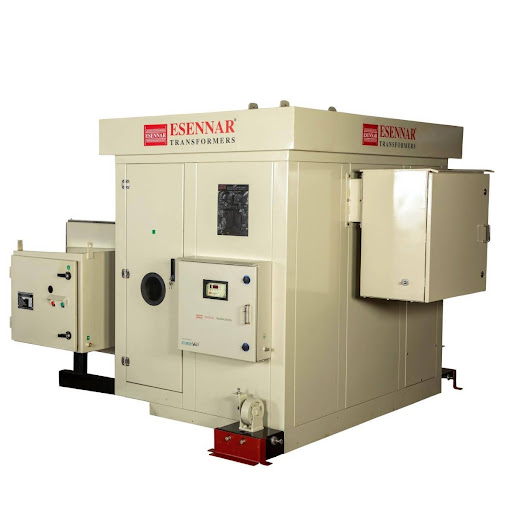
Because more attention is being given to renewable sources of energy, there is a rising need for reliable and effective electrical infrastructure in projects that use them. Efficient delivery and distribution of renewable energy depends on the use of cast resin transformers. The preference for cast resin transformers comes from their reliability, safety and ecological advantages which have made them useful in many renewable energy applications.
In a cast resin transformer, the windings of the device are usually protected by being encased in epoxy resin coating, making it a dry-type device. Moisture, dust and corrosive places do not affect IT assets inside these constructions, so they are useful for all types of installations. Unlike transformers variants with oil insulants for cooling purposes, those without oil have considerably lesser chance of fire and damaging the environment due to leakage of the cooling component.
Wind Energy Systems: Most wind farms rely on cast resin transformers to increase the voltage from wind turbines before sending it to the power grid. It is common for these transformers to be used in tough, remote places like offshore sites or on top of mountains or hills. Such transformers are best suited for these environments because they are both tough and require no maintenance. Thanks to this trait, these systems continue to work reliably under the changing temperatures and humidity in any wind farm.
Solar Photovoltaic (PV) Installations: It is necessary to use transformers to increase the DC electricity from solar power plants to the voltage standard required for the grid. Because they are reliable, safe from fires and small in size, cast resin transformers are commonly used in these kinds of projects. Since lots of solar power systems are built in desert or tropical zones, cast resin transformers keep the system working correctly and extend its life.
Hydroelectric Power Stations: Hydropower plants, especially small or micro-hydro projects in remote regions, benefit from the use of cast resin transformers. These transformers can be installed in powerhouses with limited ventilation and space. Their sealed construction allows for operation in damp and high-humidity conditions, which are common in areas near water bodies. Additionally, another benefit that comes with it is that environmentally sensitive areas remain undisturbed because of low sound decibel.
Energy Storage Systems: Battery energy storage systems (BESS) and renewable energy systems are being combined more and more to solve intermittency energy problems. Cast resin transformers serve a crucial role in these systems by managing voltage levels between the grid, storage units, and renewable sources. Their ability to handle rapid load changes and operate safely in indoor environments makes them a preferred choice in battery storage applications.
Environmental Safety: With no oil or gas inside, cast resin transformers eliminate the risk of leaks or fire, aligning with the green goals of renewable energy projects.
Durability and Low Maintenance: Their robust design ensures long-term performance with minimal maintenance, reducing operational costs.
Compact and Modular Design: They can be customised for space-constrained applications, enabling flexible installation in tight or remote locations.
High Efficiency: Cast resin transformers offer high electrical efficiency and thermal performance, which enhances the overall output of renewable energy systems.
Cast resin transformers provide dependable and efficient power distribution in renewable energy applications. Their unique advantages—such as safety, environmental friendliness, and adaptability—make them ideally suited to the demands of modern green energy infrastructure.
Related Link: HOW CAST RESIN TRANSFORMERS WORK: TECHNOLOGY AND DESIGN EXPLAINED
 Chat with Us