



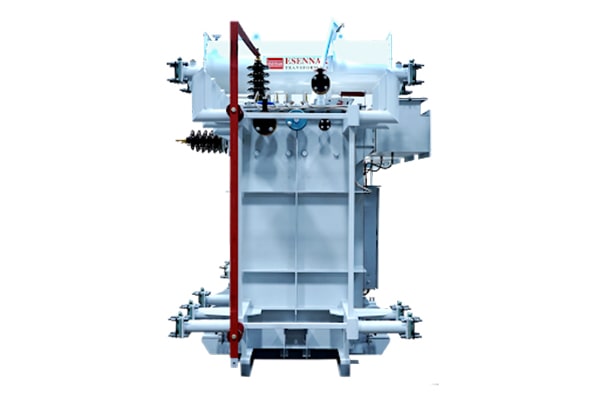
Solar energy has emerged as one of the most preferred sources of clean and renewable energy. Our household appliances and electric grids use alternating current (AC) whereas solar panels convert sunlight into direct current (DC). The solution to this is to convert DC to AC by connecting it to an inverter. Transformer-based inverters are also another common type of inverter that is applied in numerous solar energy systems. These inverters come with an inbuilt transformer that assists in the matching of the output power with the grid or the appliances. Although transformerless inverters are also present, there are still some significant benefits of transformer-based inverters.
Electrical Isolation and Safety: Electrical isolation is one of the largest benefits of transformer-based inverters. The transformer is used to isolate the DC side (solar panels) and the AC side (home or grid) side. This implies that fault or leakage of current of the solar panels does not directly influence the AC system. It helps to save the people electricity shocks, and also avoids the destruction of delicate gadgets. This isolation is particularly essential in wet or damp environments where leakage current will be more probable.
Better Compatibility with Older Solar Modules: The design of many older solar panels means that they need to be operated with a transformer based inverter. The inverters can take a wide input voltage range, which means that they can be used with older and newer solar panels. This compatibility is based on the fact that even those who already have older panels have the ability to use them without necessarily having to replace the whole system.
Prevention of DC Injection: Transformer-based inverter would stop the flow of DC current to the AC grid. When DC current is introduced on the grid, it may damage transformers and overheat and may compromise the operation of electrical equipment. This risk is virtually eliminated by the help of a transformer within the inverter. This ensures that transformer-based inverters are highly dependable when they are linked to the utility grid.
Higher Safety Standards in Sensitive Applications: Safety is the priority in some uses like in hospitals, school, and industries that operate sensitive equipment. Transformer based inverters offer the additional protection of isolation and stable power output. Their use is usually desired where the safety standards are high, e.g., in government or defence-related projects.
Grounding Flexibility: Transformer based inverters have a variety of grounding options. As an example, the negative or positive side of the DC system can be grounded according to the requirement of the system. This cannot always be done with transformerless inverters. It is this flexibility in grounding that makes transformer-based inverters appropriate in specialised use such as off-grid or hybrid solar system deployment.
Durability and Reliability: Such inverters can be more designed to withstand the extreme environment like high temperatures, high humidity, or even in dusty areas. The transformer gives it an extra protection to inner electronics. This renders them an excellent option in remote locations, deserts or along the coasts that have a difficult environmental profile.
Suitable for Harsh Environments: These inverters are often better suited for harsh environments, such as high temperatures, high humidity, or dusty areas. The transformer adds an extra layer of protection for the internal electronics. This makes them a good choice for rural areas, deserts, or coastal regions where the environmental conditions are challenging.
Support for Off-Grid and Hybrid Systems: The transformer based inverters are highly effective as they can be used in off grid system to provide stable power without depending on the main grid. They also integrate well with battery storage, and thus they are best suited to hybrid systems that would use solar energy along with backup batteries or generators. The fact that they are able to adjust to other power configurations contributes to their versatility.
Reduced Electromagnetic Interference: Transformers are used to minimise electrical noise and electromagnetic interference that can disrupt communication equipment, medical equipment and other sensitive electronics. This renders transformer-based inverters to be the safer choice in setting where low interference is needed.
Transformer-based inverters are relatively larger and less efficient than transformerless inverters, but remain common due to safety, reliability and versatility reasons. They offer electrical isolation, DC injection prevention, and are both grid connected and off-grid compatible. Transformer-based inverters still can be an excellent option to households, industries and institutions where safety and durability are the main consideration.
Related Link: HOW CAST RESIN TRANSFORMERS ENHANCE SAFETY AND RELIABILITY IN POWER SYSTEMS
 Chat with Us