



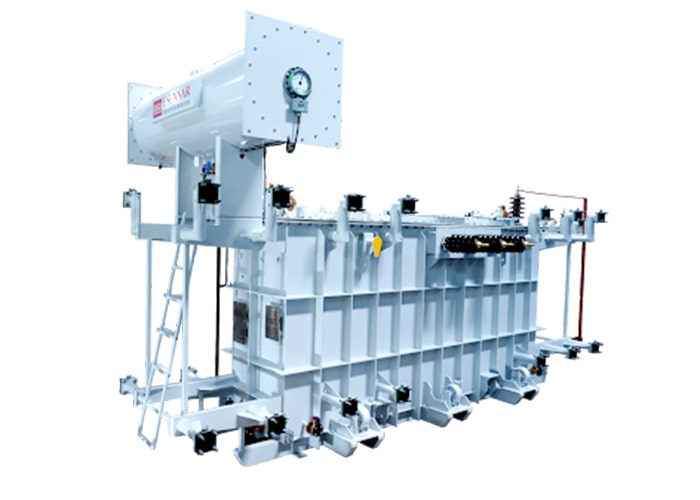
Just as the world is speeding up the transition to clean energy, technology in the transformer, which makes an indispensable part of the electrical grid, is also undergoing its own radical change. The emergence of renewable energy systems like the use of solar, wind, and hydro energy is redefining the way the transformers are designed, as well as the way they are being operated and fitted in the power system. The transformations are not focused on gains made gradually but seek to bring major transformations in accordance to address the future demands of a shifting energy sector that is decarbonising.
Decentralisation of Power Generation: Traditional power systems were built around centralised power plants that transmitted electricity over long distances. Transformers in this setup had predictable, stable loads. However, renewable energy sources are often decentralised—rooftop solar panels, wind farms in remote areas, and small-scale hydro stations require transformers to adapt to multi-directional power flows. Modern transformers must handle both the inflow and outflow of electricity at various voltage levels. This bi-directional flow of energy has also led to the creation of smart transformers which have sensors and are automated to transmit energy in real time dynamically.
Voltage Variability and Grid Stability: In contrast to the traditional power plants, renewables generate intermittent power because of the shifts in the weather. Solar energy is decreased at night and cloudy days; wind energy varies according to wind speed. Such variations are problematic to grid stability, and hence voltage regulation becomes an important role. Transformer technology has evolved to incorporate on-load tap changers (OLTCs) to better take care of these swings by automatically tapping transformer voltage under load. These innovations will aid in ensuring the constant supply of sufficient voltage to all the points of use as the electricity generation is unpredictable.
Higher Efficiency and Lower Losses: In a grid with renewables as the dominant source of energy, efficiency is the key factor and the focus is on maximisation of energy use and minimisation of wastage. To extend more no-load and load loss, transformers are being redesigned with amorphous metals core and superior insulation material. Also, transformers free of oil or dry-type transformers are becoming increasingly common in renewable installations, particularly offshore wind farms, or solar parks in deserts. These transformers offer better fire safety, reduced environmental risks, and lower maintenance.
Integration with Digital Technologies: Digitalisation is key to managing the complexity of renewable energy systems. Intelligent transformers, integrated with IoT sensors, cloud computing, and AI-based analytics, provide real-time data on load conditions, thermal performance, and fault detection. This helps operators optimise performance, plan predictive maintenance, and ensure grid reliability. A virtual model of the physical transformer is also being used to simulate operational conditions and test response strategies, making transformer management more proactive and resilient.
Environmental and Regulatory Compliance: Sustainability isn’t just about clean energy generation; it extends to the equipment used. Biodegradable ester fluids are increasingly replacing conventional mineral oils, offering improved fire resistance and a reduced environmental footprint. Governments and international bodies are introducing stricter efficiency and emissions regulations, prompting R&D investments in greener transformer technologies to comply with evolving standards.
Adaptability for Off-grid and Microgrid Applications: Renewables are vital for electrifying remote and underserved areas. In such scenarios, microgrids—localised energy systems—require compact, modular, and easy-to-install transformers. These transformers need to be robust, efficient, and capable of operating in diverse environmental conditions. Designs now focus on portability, resilience to harsh climates, and compatibility with hybrid energy sources.
The renewable energy revolution is not just changing how power is generated—it’s redefining the very infrastructure that supports it. Transformers, once static and passive devices, are becoming smarter, more efficient, and adaptable to the complex realities of modern power systems. As renewable energy continues to scale globally, transformer technology will remain a critical enabler of a resilient, sustainable, and intelligent energy future.
Related Link: Installation Tips for Power and Distribution Transformers
 Chat with Us