



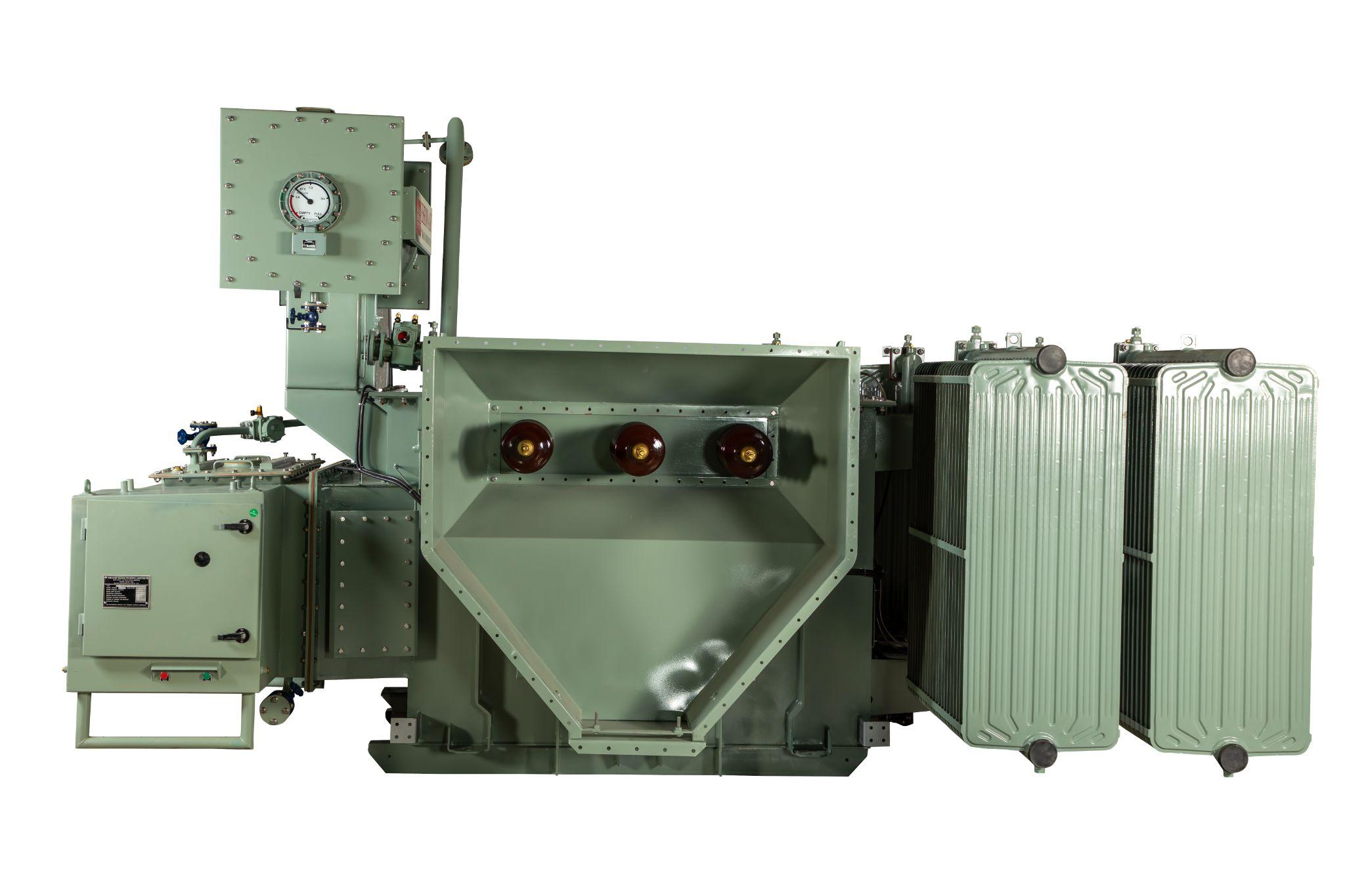
The power system depends heavily on transformers because they maintain efficient electricity transmission through high-voltage operations. The design of transformers for high-voltage operations presents exclusive difficulties to engineers. The requirements for reliability together with operational efficiency and safety must be met during extreme electrical and thermal conditions of operation. This piece explains the main obstacles designers face when working on high-voltage transformers.
INSULATION DESIGN AND MATERIAL SELECTION
High-voltage transformers operate at extremely high electric fields which can cause insulation breakdown if not properly managed. The insulation system must withstand not only the operating voltage but also transient overvoltage, such as lightning strikes or switching surges.
THERMAL MANAGEMENT
High-voltage transformers generate significant heat due to core losses and copper losses. Excessive heat can degrade insulation, reduce efficiency, and shorten the transformer’s lifespan. Keeping in consideration, manufacturers need to provide effective insulation mechanism to keep the heat range manageable.
MECHANICAL STABILITY
High-voltage transformers are subject to significant mechanical stresses caused by electromagnetic forces, especially during short-circuit conditions. These forces can cause winding deformation or even structural failure. Ensuring we make use of high-quality steel or alloy will ensure this issue can be controlled effectively.
SIZE AND WEIGHT CONSTRAINTS
The necessary extensive insulation and cooling systems make high-voltage transformers disproportionally large and weighty. The setups present multiple problems when it comes to transporting and installing equipment in addition to requiring significant room to operate. To achieve this goal manufacturers should construct modifiable designs while employing exceptional materials to decrease size and weight measures to some degree.
PARTIAL DISCHARGE AND CORONA EFFECTS
When operating at high voltages the transformer develops partial discharges which trigger corona effects that harm insulation then cause failure. The formation of localized electric field concentrations causes these phenomena to appear. The control of electric field distribution requires manufacturers to use corona rings along with shielding methods to stop discharges from occurring.
ENVIRONMENTAL AND SAFETY CONSIDERATIONS
High-voltage transformers must operate reliably in diverse environmental conditions, including extreme temperatures, humidity, and pollution. Additionally, safety is a critical concern due to the risk of fire or explosion. Keeping this in consideration, sturdy enclosures and protective coatings is a must to withstand environmental challenges.
EFFICIENCY AND LOSS REDUCTION
High-voltage transformers must achieve high efficiency to minimize energy losses during power transmission. Core losses and winding losses are the primary contributors to inefficiency.
TESTING AND VALIDATION
High-voltage transformers must undergo rigorous testing to ensure they meet performance and safety standards. Testing at high voltages presents logistical and technical challenges.
COST AND ECONOMIC CONSTRAINTS
Designing high-voltage transformers involves balancing performance, reliability, and cost. High-grade materials and advanced technologies can significantly increase manufacturing costs.
INTEGRATION WITH RENEWABLE ENERGY SYSTEMS
With the growing adoption of renewable energy, high-voltage transformers must handle variable loads and harmonics generated by solar and wind power systems. These transformers can be designed with enhanced harmonic filtering capabilities and robust thermal management systems to handle fluctuating loads.
Designing transformers for high-voltage applications is a complex and multidisciplinary task that requires careful consideration of electrical, thermal, mechanical, and environmental factors. By addressing these challenges through innovative design, advanced materials, and rigorous testing, engineers can develop transformers that deliver reliable and efficient performance.
Related Link: MAINTENANCE TIPS TO EXTEND THE LIFESPAN OF YOUR SOLAR INVERTER DUTY TRANSFORMER
 Chat with Us