



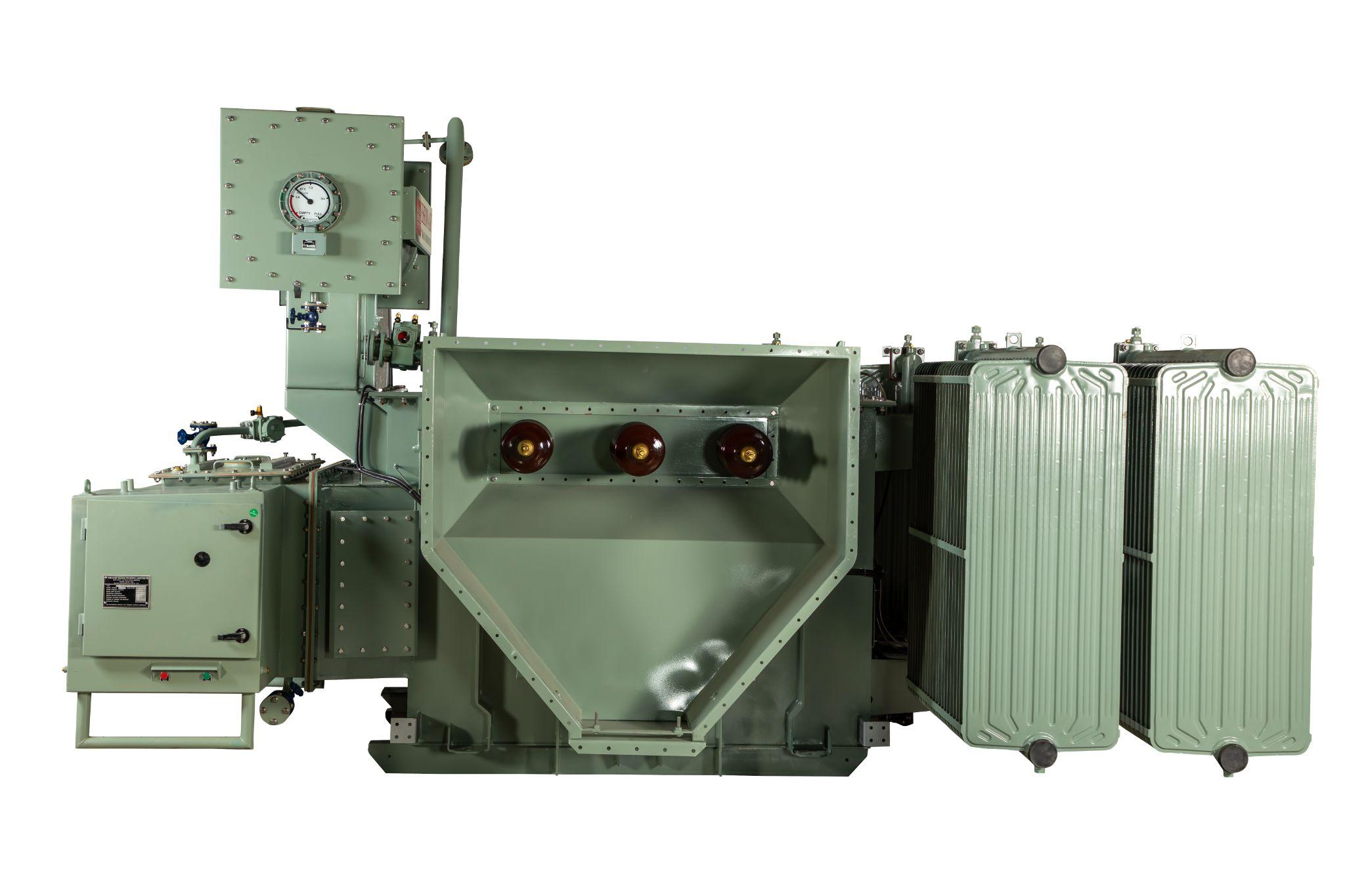
Power transformers are one of the most important parts of modern electrical power systems. They are meant to transfer electrical energy between circuits by electromagnetic induction and to change voltage levels to meet system needs. Power transformers are used to increase voltage for efficient, reliable and economical transmission of electricity over long distances, and to decrease voltage for safe distribution and industrial use.
In many industries they are irreplaceable because of their ability to reduce transmission losses and stabilize power. Power transformers are essential to the ongoing operation of critical infrastructure and services such as power generation, manufacturing, healthcare, and renewable energy.
Power transformers are mainly used in high voltage transmission networks and large industrial complexes. Their main functions are:
These features are making power transformers essential in all sectors of the economy.
The power industry's generation and transmission sector is the largest consumer of power transformers; Power plants typically generate electricity at medium voltage levels. Power transformers step this voltage up and it is transmitted through high voltage transmission lines. This greatly reduces the energy losses over long distances.
Transformers at substations step down the voltage and feed it into the regional distribution networks which in turn supply electricity to industries, commercial establishments and residential consumers. Modern interconnected power grids would be inefficient and economically unfeasible without power transformers.
Power transformers also assist in voltage regulation, improve the reliability of the grid, and offer uninterrupted power supply under different load conditions.
In any manufacturing site, electricity supply has to be uninterrupted so they can operate effectively throughout the day. Transformers are used in steel, cement, textile and automotive sectors so it can provide stable energy to all kinds of machinery.
Power transformers are used to run:
Stable voltage ensures efficient machine performance, reduces equipment failures and costly production downtimes. Dedicated power transformers are generally installed in large manufacturing plants to satisfy their high electricity demands and ensure operational safety.
The demand for power transformers has grown rapidly with the increase of renewable energy. Solar power plants and wind farms produce electricity at relatively low voltage levels. Then the electricity is fed into the national grid, having been boosted to transmission levels by transformers.
Power transformers offer the following uses:
Power transformers remain critical components in the sustainable generation and distribution of electricity as countries continue to invest in clean energy.
The oil and gas industry needs reliable electric power for drilling, refining, transportation and processing operations. Heavy-duty equipment operating under harsh environmental conditions are powered by power transformers.
Typical applications are:
Interruptions can be costly in terms of money and safety, so transformers used in this industry are designed to be reliable, durable and able to run continuously in harsh conditions.
Mining operations use considerable quantities of electrical energy for excavation, mineral processing, ventilation and transportation systems. Power transformers supply electricity to large mining equipment such as crushers, conveyor belts, pumps, compressors and underground ventilation systems.
Most of these sites tend to be in remote locations and require dedicated transformers that will ensure the power supply is stable at all times. High power demands in any heavy industry setting may cause fluctuations in power supply. For this reason, a high-capacity transformer is a must in such conditions.
Hospitals and other healthcare institutions need a constant supply of electricity to power life-saving medical equipment. Power transformers are essential to maintain steady power delivery inside healthcare facilities.
Transformers are used to power critical systems such as:
Strip malls, shopping centers, airports, office buildings and data centers are examples of current commercial buildings with enormous electrical power needs. Power transformers that are efficiently distributed maintain constant voltage for delicate electronic equipment.
Data centers support transformers:
Voltage stability is a key issue for data centers where even small power disturbances can cause data loss, equipment damage or service interruptions affecting millions of users.
Power transformers are used in electric railways, metros and high-speed trains to convert and distribute electric energy for traction systems and station facilities.
Also used in:
Demand for efficient, reliable power transformers is driven by increasing use of electric transportation.
With the advent of smart grids, the function of power transformers is no longer limited to the conventional voltage transformation. Today's transformers are fitted with digital monitoring systems that provide real-time information on operating conditions, temperature, load and efficiency.
These advanced transformers are helpful:
Smart transformers help to make the electricity grid more efficient to meet the increasing energy needs while increasing the resilience of the whole system.
Power transformers are critical components in nearly every industry that uses electricity. Their ability to efficiently transfer electrical energy, regulate voltage and provide dependable power delivery supports the operation of power generation systems, manufacturing industries, renewable energy plants, healthcare facilities, transportation networks, commercial buildings, mining operations and oil and gas infrastructure.
The role of power transformers is expected to grow further as the economy modernizes. The onus is upon manufacturers to ensure these devices are built to expected standards every time.
Related Link: APPLICATIONS OF CAST RESIN TRANSFORMERS ACROSS DIFFERENT INDUSTRIES
 Chat with Us